Many UK homes suffer from uneven heating during colder months. Some radiators heat quickly, while others stay cold for too long. This usually means the radiators are not balanced correctly. When radiators are unbalanced, hot water does not flow evenly. The radiator closest to the boiler often heats first and steals heat. Radiators further away struggle to warm up properly.
Balancing radiators is the process of correcting this problem. It helps ensure even heat across your home. It also improves efficiency and reduces heating costs. This guide explains the easiest way to balance radiators. It uses clear steps and simple wording. It works for most UK central heating systems.
What Does Balancing Radiators Mean?
Balancing radiators means adjusting water flow through each radiator. The goal is to help all radiators heat up evenly. Hot water moves through your central heating system. It naturally follows the path of least resistance. Radiators nearest the boiler receive hot water first. Radiators further away may receive less flow.
Balancing radiators means adjusting valves to control flow. This allows hot water to reach every radiator properly. When radiators are balanced, each room heats more evenly. Your heating system works more smoothly and efficiently.
Why Radiators Need Balancing
Radiators need balancing when the heating feels uneven. Some rooms become too warm too quickly. Other rooms remain cold for long periods. An unbalanced heating system wastes energy. Your boiler works harder than necessary. This increases energy bills over time. Unbalanced radiators may also cause noise. Pipes may knock or hiss during heating cycles. Balancing the radiators helps prevent these problems. It improves comfort and reduces strain on your boiler.
How Do I Know If My Radiators Are Balanced?
Many homeowners wonder how to spot an imbalance. The signs are usually easy to notice. If one radiator heats very fast, balance may be needed. If another radiator stays cool, this suggests an imbalance. Radiators are not balanced when rooms heat unevenly. Upstairs radiators often feel cooler than downstairs ones. Radiators may be cold at the bottom. Some radiators may take much longer to heat. These signs show radiators need balancing. It may be time to balance your radiators.
Balance or Bleed?
People often confuse balancing with bleeding radiators. These are two different tasks. Bleeding radiators removes trapped air. This helps radiators heat fully. Balancing radiators controls hot water flow. This ensures even heat distribution. If a radiator is cold at the top, bleed the radiator. If radiators heat unevenly, balancing is required. Bleeding and balancing often work best together. It is a good idea to bleed your radiators first.
Tools You’ll Need
Balancing radiators does not require specialist tools. Most items are easy to find at home. You’ll need a radiator key for radiator bleed. You’ll need an adjustable spanner for valves. A thermometer can help improve accuracy. A digital thermometer works best. A thermometer is optional. You can balance radiators without one.
Understanding Radiator Valves
Each radiator in your home has two valves. Each valve has a specific purpose. One side has a radiator valve. This may be thermostatic. A thermostatic radiator valve controls room temperature. These are often called TRVs. The other side has a lockshield valve. This valve controls water flow balance. Radiator balancing uses the lockshield valve only. The radiator valve stays fully open.
Preparing the Heating System
Preparation is important before balancing radiators. Skipping this step causes poor results. Turn your heating off completely. Allow the radiators to cool fully. Heat off and allow enough cooling time. Radiators to cool before adjustments begin. Open every radiator valve fully. This includes thermostatic radiator valves and TRVs. Bleed your radiators before balancing. This removes trapped air and improves accuracy.
Step 1: Turn the Heating Back On
Once radiators are cool, restart heating. Turn the heating back on fully. Set the central heating system to maximum. Allow the radiators to heat naturally. Monitor which radiators heat first. This sequence or order is crucial. The radiator which gets heated first is the one which is located nearest to the boiler. The radiator that is receiving the most is this one.
Step 2: Order the Radiators
Remember the sequence of heating. Rank the radiators starting with the first and finishing with the last. The radiators that are nearest to the boiler get heated first. The radiators that are farthest away get heated last. This sequence is a great help in balancing. It makes the adjustment of the sequence right.
Step 3: Adjust the Lockshield Valve
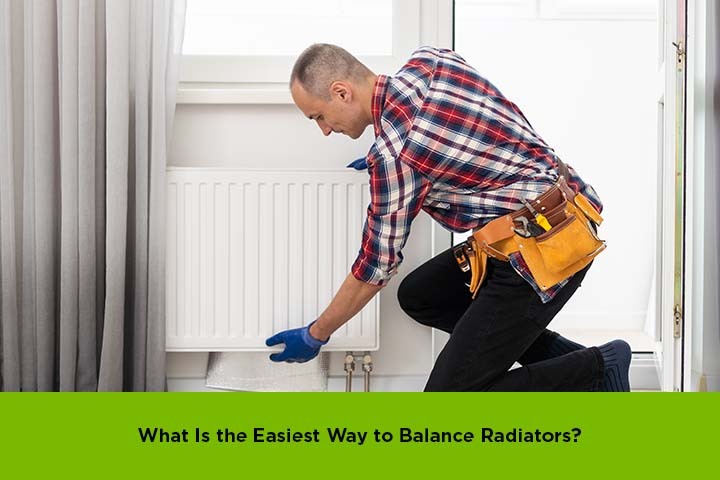
Start with the radiator closest to the boiler. Go to the radiator that heated first. Remove the lockshield valve cap. Use an adjustable spanner gently. Turn the lockshield valve clockwise slightly. Do not close it fully. Small turns are best for control. This reduces the flow to that radiator. Hot water can now reach other radiators.
Step 4: Balance the Rest of the Radiators
Move to the next radiator in order. Follow the order in which the radiators heat. Adjust the lockshield valve slightly on each radiator. Allow the radiators time to respond. Radiators should heat steadily and evenly. Top and bottom temperatures should feel similar. Do not rush the balancing process. Patience leads to better results.
Balancing Radiators Without a Thermometer
Many homeowners balance radiators without a thermometer. The method used in such cases is very much dependent on the operator’s keen eye. The radiators should be touched gently and even the pipes of each radiator should be touched. One of the pipes is for hot water coming in while the other pipe is for cooler water going back. The return pipe would be feeling a little cooler than the supply pipe. Do not mix very hot and very cold pipes. Steady and even warmth should be the target.
Balancing Radiators With a Thermometer
A thermometer improves precision when balancing. A digital thermometer is easiest to use. Take a temperature reading on both pipes. Take the temperature carefully. The difference should be small and consistent. Around ten to twelve degrees is common. Take a temperature reading after each adjustment. This helps balance the system accurately.
Balancing Radiators With a Combi Boiler
Combi boilers have become standard in British homes. They react very quickly to the changing of valves. Radiator balancing with a combi boiler has to be done slowly. Even small changes can have a big impact. Thus, it is necessary to turn on the heating and wait. The heat should also be allowed to enter the system from the heating. So, do not make any fast changes, but let the system stabilise after every adjustment.
Balancing Radiators Without Thermostatic Valves
Some houses do not have thermostatic radiator valves. This situation is typical for older homes. Keep the radiator valves open fully. Do the balancing using only the lockshield valves. The radiators in the system can still be well-balanced. The even heat will surely enhance the comfort of the entire house.
Common Mistakes to Avoid
The reason for it is that many people think the balancing process is so easy that they do not even dedicate proper time to it. Consequently, they end up with poor heating results.
- Do not change the positions of the hermostatic radiator valves.
- Only the lockshield valve can be adjusted.
- Do not miss any of the radiators, as every radiator has an impact on the whole system.
- Avoid making big valve movements.
- Small adjustments are the most effective ones.
How Long Does Radiator Balancing Take?
The process of balancing radiators is time-consuming and requires patience. At least one hour should be anticipated. A larger house may take longer. Complicated systems need extra care. The whole radiator balancing process is worth it. The comfort level noticeably improves afterwards.
When to Call a Heating Engineer
Sometimes radiators remain cold after balancing. Other issues may exist in the system. Boiler noise may continue. Pressure may fluctuate unexpectedly. A heating engineer can inspect the system. They identify deeper problems safely.
Final Thoughts
Balancing radiators is achievable for most homeowners. It improves comfort and heating efficiency. This guide to balancing radiators keeps the process simple. Follow each step carefully and patiently.
Balanced radiators mean even heat throughout your home. They also reduce energy waste and costs. If radiators are not balanced, act early. Your central heating system will perform better.
FAQs
Radiators usually need balancing after a new boiler installation, radiator replacement, or if heating becomes uneven across rooms.
Yes, you can balance radiators by carefully feeling the flow and return pipes, although a digital thermometer improves accuracy.
You should always bleed your radiators first, as trapped air can affect the balancing process and cause cold spots.
Yes, balanced radiators help your heating system work efficiently, which reduces boiler strain and lowers energy bills.
Call a heating engineer if radiators stay cold, the boiler makes noise, or balancing does not improve heating performance.