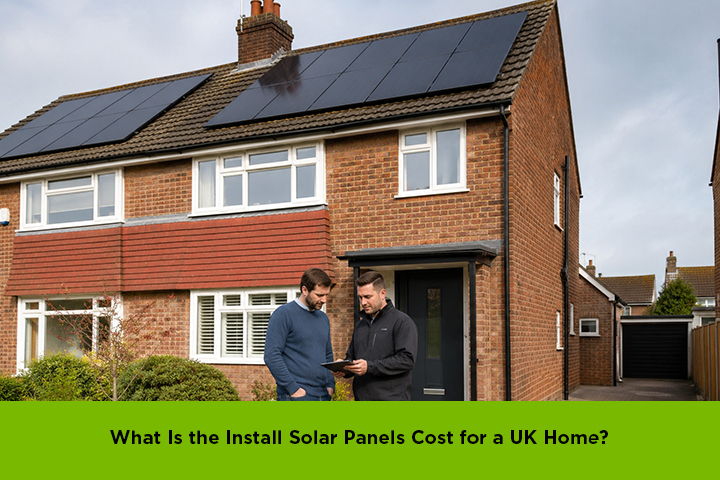
The cost of energy has increased significantly over the past few years to the point where most UK homeowners have considered a solar quote. This quote varies by thousands of pounds even for houses that may look very similar from the outside.
The use of solar energy for residential purposes has become an increasingly common investment, yet calculating the cost of installing solar panels for your home is about much more than the area of your roof. Here is what affects the cost of solar panel installation.
What Solar Panel Installation Actually Costs Right Now
A complete system, including only panels, is expected to cost between £5,000 and £12,000 for homes in the UK. A 4kW system, which is the recommended size for a home with three bedrooms, normally will cost between £6,000 and £8,500, which is £1,400 to £1,800 per kW installed. This is about the cost you will expect when installing solar panels before getting any quotation. Adding batteries increases the total cost to between £8,500 and £15,000.
The equipment (panels, inverter, mounting and wiring) will be 55% to 60% of the total cost. The remaining cost is for the installation process, which will involve labor, scaffolding, documentation with the local network provider, and getting an MCS certificate. Two different properties will have panels of the same specification but their quoted costs could differ by a few thousand pounds due to the installation process.
What Actually Drives the Price Up or Down
Only a few things determine how your quote falls within the above range:
- System size and panel count. The more panels there are, the more energy is generated but the more mounting fixtures are required. On average, you will need 10 to 16 panels, depending on the size of your roof and your energy needs.
- Battery storage. Battery installation increases the cost by about £3,000 to £7,000, depending on capacity. This element is optional but influences all financial figures within this article.
- Type of Inverter. The simple and less expensive inverter type is the conventional string inverter. Hybrid inverters, which regulate both the solar panels and battery, are more expensive; however, they have emerged as the preferred inverter type by those planning to include storage in the future.
- Compatibility of Roof. The roofs with south orientation, angles between 30-40 degrees and absence of any shading produce maximum power and are the least expensive roofs to install. Roofs with an east or west orientation, high pitch, slates/stone roofs and old roof structures increase the costs.
- Installation requirements. Scaffolding, the condition of your roof, and if there is a need for permission by your network provider before making a connection will increase the costs even before you install your first panel.
- Property energy consumption. A family with an EV in their driveway or a heat pump will need a more substantial system than one where people are at work most of the time.
Switch to Renewable Energy, Start Big Savings
Sunshine is free. Your energy bill shouldn’t be. A solar PV system built for British weather could cut your annual costs by up to £1,080.
Sizing the Right System for Your Home
Rough starting point: about 1kW of solar per 1,000 kWh of annual electricity use, pulled from a year of past bills. From there, roof orientation, available space, and shading narrow down what’s actually achievable. This is a job for a proper site visit, not guesswork.
A good solar panel installation survey measures your actual roof, checks your usage against real generation data for your postcode, and sizes the system so you’re not paying for capacity you’ll never use, or under-sizing it and missing out on savings.
Energy Bill Savings, SEG Payments, and Battery Storage
Energy savings for a mid-sized system usually run £400 to £1,000 a year, and the exact figure depends heavily on how much of the power you generate you actually use in the house rather than exporting it.
That’s where the Smart Export Guarantee comes in. Suppliers pay you for surplus electricity you send back to the grid. Rates vary enormously: roughly 3 to 4p per kWh on basic tariffs, up to about 15p on standard fixed-rate deals, and 25p or more at peak times on premium tariffs aimed at battery owners. The market average sits close to 13p per kWh, which on a typical 4kW system without a battery works out to somewhere between £150 and £300 a year in export income.
Battery storage plays a bigger role here than most homeowners expect. Without one, a typical household only uses 30 to 50% of the electricity their panels generate, and the rest gets exported at that SEG rate, which is almost always lower than what you’d pay to import electricity instead. Add solar battery storage and self-consumption often climbs to 70 to 90%, because you’re storing daytime generation for the evening instead of selling it cheap and buying it back expensive a few hours later.
Payback Period and Long-Term Value
Payback for panels-only systems usually falls between 6 and 10 years. A battery can stretch that slightly upfront, though a well-sized one often improves the return once you factor in what it saves on avoided imports. Two things work in your favour right now: solar and battery installations are zero-rated for VAT, saving roughly £1,000 to £2,500 on a typical install, confirmed until 31 March 2027. The real solar panel benefits show up over the system’s full lifespan rather than in year one. Panels are generally warrantied for 25 years and keep producing well beyond that, typically still running above 85% of original output at the 25-year mark.
Why the Installer You Choose Matters as Much as the Kit
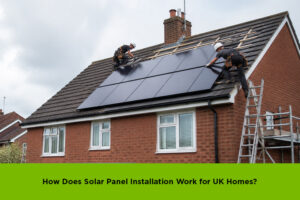
None of the figures above hold up if the system is designed or fitted badly. MCS certification matters for more than paperwork: it’s what lets you register for SEG payments at all, and most equipment warranties require it too. This is exactly where professional Solar Panel Installation Services earn their fee. A properly accredited team handles the structural checks, network operator paperwork, and safe work at height that a homeowner shouldn’t take on alone, and designs the renewable energy system around your roof rather than a generic template. Go with anyone less qualified and you’re gambling with the three things this whole investment depends on: safe installation, a system that actually performs at its rated output, and the long-term savings you were quoted in the first place.
The most reliable way to see a fair install solar panels cost for your own property is a few written, like-for-like quotes: same system size, same battery capacity, panels compared separately from panels-plus-battery.
Related guides
The cost of the complete installation of a solar panel system of 12 panels in the UK can range between £6,495 and £7,500 if there is no battery. The cost of adding a smart storage battery will take the cost between £10,700 and £11,115.
A 12 kW system typically needs 22 to 40 panels, depending on their wattage. With 550W panels, you need 22; with 450W panels, 27; with 400W panels, 30; and with 300W panels, around 40.
You can try, but it is not simple. Most installers say you should not do the DIY route. The job can end up expensive, and the steps are not easy. A good installation is expected to last 25 years, or longer. If you make mistakes during a DIY install, the system life can fall a lot.
Yes! Cloudy weather means lower output, but they still make electricity. Panels need daylight, not just direct sun. So when clouds are present, they can still pull in scattered light and keep producing through the day.
A solar battery can cost about £3,000 to £7,000. The main drivers are the battery capacity, the brand, and what the installer needs to do on site.
The final quote can shift based on system size and the number of panels. Battery storage matters too. The inverter type is a factor. Roof condition plays a role. Scaffolding, electrical work, and how tricky the install is can also affect the price.
Solar panels often do best on a south-facing roof. A good roof tilt also matters a lot. That said, east- and west-facing roofs can still be a solid option. It mostly comes down to your daily electricity use and how the system is planned.
Solar panels will save you some money on the bills, but it all depends on various factors. It can save £400 to £1,000 on an average mid-sized system. Your savings depend on how much power you can generate, how much energy you consume, and how much of your generated power you consume.
In the UK, many homeowners ask when they get their money back. Solar panel systems often take roughly 8 to 10 years to pay back. The real time can change based on the price you pay for the install, current energy prices, your usage patterns, the amount of power your system makes, and what you earn from any export payments.
On VAT, the UK position can be straightforward if you meet the rules. Eligible energy saving installations, which can include solar panels and battery storage, may qualify for zero-rated VAT. You should confirm the current rules and dates before you book the installation.