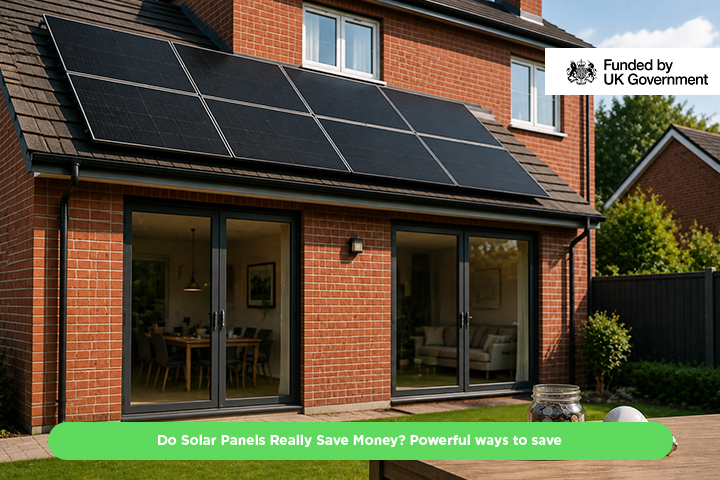
Yes, solar panels can help homeowners in the UK save money. For instance, a three-bedroom house will install solar panels at around £7,500. It will save around £750 per year.
The total savings after 25 years will be close to £18,750, which is 2.5 times the initial expense. If the savings are bigger, the total return on investment might approach three times the upfront expense.
So, do solar panels save money in the UK? That depends on your house, consumption patterns, and price of the system. This article tells you about the savings and payback periods of solar panels.
How Can Solar Panels Help You Save Money?
Solar panels convert sunlight into electricity, which you can use instead of purchasing electricity from the grid. Extra electricity might go to the grid, and homeowners eligible for SEG can earn some money from exported electricity.
Do Solar Panels Help You Conserve Electricity?
The output of solar panels does not decrease the electricity demand of household appliances. Solar panels only produce electricity to replace some part of the grid electricity. This means you buy fewer units from your energy supplier. Your electricity bill can therefore become lower. Your energy usage still affects how much you can save.
What Are the Benefits of Using Solar Panels?
There are a number of advantages of using solar energy at home.
Reduce Electricity Bills
Solar panels generate electricity without any need for fuel due to the sunlight. Using this electricity can reduce the amount you buy. This creates direct savings on your electricity bills.
Export Extra Electricity
Extra electricity produced by your solar panels can go to the grid and bring some revenue from SEG.
Long-Term Savings
Solar panels have a lifespan of 25 years or more, which means that you get plenty of time to pay off your initial expense. After the payback period, you start making more savings.
Greater Energy Independence
Solar energy decreases dependence on the grid. Your system can operate with battery storage. This lets you store unused electricity for later use.
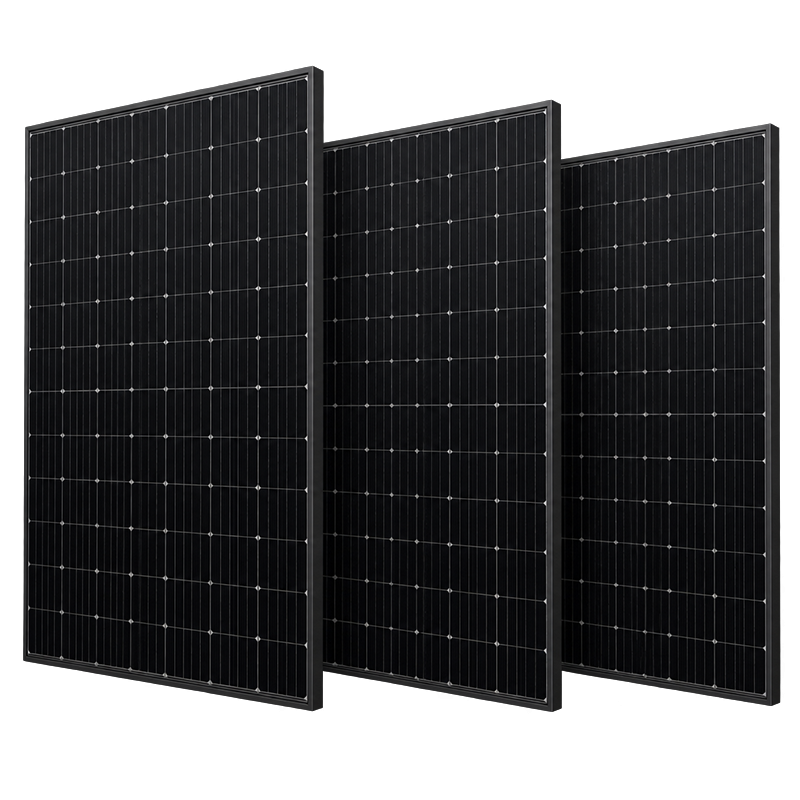
Switch to Renewable Energy, Start Big Savings
Sunshine is free. Your energy bill shouldn’t be. A solar PV system built for British weather could cut your annual costs by up to £1,080.
Solar Savings With SEG and Without SEG
The Smart Export Guarantee (SEG) pays eligible generators for exported electricity. It applies to eligible solar PV systems across Great Britain. This includes England, Scotland, and Wales. SEG does not apply in Northern Ireland. Northern Ireland homeowners should check available export tariffs with suppliers.
With SEG, solar energy cost savings have two parts. The first comes from using solar electricity at home. The second comes from selling surplus electricity to the grid.
Without SEG, savings mainly come from lower electricity bills. You can still save money without receiving export payments. However, your total annual benefit will usually be lower.
Using solar electricity yourself can also provide greater value. The energy saving calculations used in this guide currently uses around 12p for typical SEG payments. Imported electricity usually costs much more than exported electricity.
Solar Panel Savings Across UK Locations
Solar panel savings vary across the UK. Location affects sunlight, generation, and potential energy savings. Your occupancy also affects how much solar power you use.
This article provides current estimates for several UK locations. Its latest figures use fuel prices from July 2026. The figures cover London, Manchester, Aberystwyth, and Stirling.
| Location | With export payments | Without export payments | Payback |
| London | £900–£930 | £200–£330 | 9 years |
| Manchester | £740–£810 | £190–£310 | 10–11 years |
| Aberystwyth | £840–£870 | £190–£320 | 9–10 years |
| Stirling | £680–£740 | £180–£290 | 11–12 years |
| Belfast* | £370–£570 | Not based on SEG | About 13–20 years |
Belfast figures follow the supplied chart and use £7,500 for payback. They are not an official Northern Ireland SEG payback estimate.
These figures show why solar panels in the UK can have different returns. The location definitely affects potential savings.
London Solar Panel Savings
London shows some of the strongest solar panel savings. Annual savings can reach £930 with export payments. Without export payments, savings range from £200 to £330. The estimated payback period is around nine years.
London’s location can support strong solar generation. Good daytime energy use can further improve savings.
Manchester Solar Panel Savings
Manchester can also provide strong solar energy cost savings. Annual savings range from £740 to £810 with exports. Without exports, savings range from £190 to £310. The estimated payback period is 10 to 11 years.
Using appliances during daylight can improve direct savings. This helps homeowners use more electricity generated by their panels.
Aberystwyth Solar Panel Savings
Aberystwyth can provide savings close to London’s levels. Annual savings range from £840 to £870 with exports. Without exports, savings range from £190 to £320. The estimated payback period is nine to ten years.
These figures show that southern location alone does not determine returns. Roof direction, shading, usage, and export payments also matter.
Stirling Solar Panel Savings
Stirling has lower savings than several southern locations. Annual savings range from £680 to £740 with exports. Without exports, savings range from £180 to £290. The estimated payback period is 11 to 12 years.
Solar panels can still provide worthwhile long-term savings in Scotland. A suitable system can continue generating electricity for many years.
Belfast Solar Panel Savings
Belfast needs separate treatment because GB SEG does not apply. The supplied figures show annual savings from £370 to £570. Savings are highest when someone stays home during daytime hours. Savings fall when the home stays empty longer.
Using a £7,500 installation cost gives roughly 13–20 years. This is a simple estimate based on the supplied savings. Actual payback depends on the final solar installation cost. Your electricity usage and export arrangement can also change returns.
Solar Installation Cost vs Saving
The solar installation cost vs saving matters before choosing a system. A lower upfront cost can shorten the payback period. However, cheaper equipment may not always offer better value.
The example scenario puts an average system around £7,600. Its example system is around 4.5kWp with about 12 panels.
Your final solar panel costs depend on several factors. System size, roof access, and equipment can affect the price. Roof work can also increase the overall installation cost.
Always compare the system cost against expected annual savings. Ask your installer for generation and savings estimates. Also check warranties, inverter costs, and installation quality.
Are Solar Panels Worth It for Your Home?
Are solar panels worth it for your home? They can be, especially when your home suits solar generation. A suitable solar panel system can reduce grid electricity use. It can also provide long-term savings on energy bills.
Solar panels should last at least 25 years. The inverter may need replacement sooner than the panels.
Your actual return depends on your home’s energy needs. It also depends on roof direction, shading, and electricity prices.
What Affects Solar Panel Savings?
Several factors affect how much money solar panels save.
Roof Direction
South-facing roofs usually offer strong solar performance. East and west-facing roofs can also work well. Solar experts say east or west roofs produce less energy.
Shading
Trees, buildings, and chimneys can reduce solar generation. An unshaded roof can therefore improve system performance.
Energy Usage
Your household energy usage affects direct solar savings. Higher daytime usage can help you use more solar power. This reduces the amount of electricity you buy.
System Size
A larger system can generate more electricity. However, a larger system also increases the upfront cost. The right size should match your roof and energy needs.
Electricity Prices
Higher electricity prices can increase potential bill savings. Lower prices can reduce the value of generated electricity. This makes current energy prices important when calculating returns.
Solar Batteries and Battery Storage
Solar batteries can store electricity generated by your solar panels. You can use this stored power after sunset. This can reduce your need for grid electricity.
However, battery storage adds to your upfront cost. An average battery storage costs around £5,000 to £8,000.
A battery does not always improve the financial return. Compare its extra cost with your expected additional savings. Homes with higher electricity demand may benefit more from batteries.
Tips for Maximum Savings With Solar Panels
- Use appliances during daylight when your panels generate electricity.
- Schedule washing machines around periods of strong solar generation.
- Compare SEG tariffs before choosing an export payment provider.
- Choose a system that matches your home’s energy needs.
- Compare quotes from several reputable solar panel installers.
- Ask installers about expected annual generation and savings.
- Keep nearby trees trimmed to reduce avoidable shading.
- Monitor your solar system for performance problems.
- Consider solar batteries after checking their financial return.
- Review your electricity tariff regularly for better energy costs.
Do Solar Panels Really Save Money in 2026?
So, do solar panels really save money for UK homeowners?
For many homes, the answer is yes. Solar panels save money by reducing purchased grid electricity. Export payment increases your annual benefit. It all depends on your location, consumption pattern, roof quality, system capacity, and tariff.
£7,500 system saving £750 annually provides for the payback period of 10 years. £18,750 in savings after 25 years corresponds to the initial expense multiplied by 2.5 times. More savings can increase the total return up to three times.
The key is comparing solar panel costs against realistic savings. A personalised quote gives a more accurate financial picture.
Conclusion
Solar panels can provide substantial savings in the long run for many houses in the UK. They help to save money on electric bills and reduce the electricity consumption from the grid. The SEG payments may help you earn money from extra electricity in Great Britain. Your savings will vary depending on your house and consumption patterns.
Use of the solar electricity produced is always the best option for getting more savings. Good design of your solar system will give you more profit over the years. Before you install solar panels, it is important to compare the initial expenses and savings.
Frequently Asked Questions
A complete solar system costs around £7,600 for an average home. A three-bedroom example may cost around £7,500. Your actual cost depends on system size and installation requirements.
Savings are different based on your location, solar system size, and electricity prices & usage. Current estimates can reach more than £900 annually. Export payments can increase the total annual benefit.
Yes, solar panels can still reduce your electricity bill. However, you will not receive SEG export payments.
Generation depends on location, roof direction, shading, and system size. A typical home system can generate thousands of units annually.
Current estimates vary significantly between UK locations. London can reach £930 annually with export payments. Stirling can reach £740 under similar conditions.
They may suit homes with good sunlight and suitable roof space. High daytime energy usage can also improve savings. A professional assessment can provide more accurate figures.
They can increase how much solar electricity you use yourself. However, battery costs can reduce your overall financial return.
Most solar panels are designed to last at least 25 years. The inverter may require replacement sooner.