DIY solar panels allow you to produce energy and become independent from the grid. However, putting the panels on your roof is more complex than purchasing the panels and connecting wires. You need to consider the roof safety, electrical safety, UK laws, warranties on the equipment and long-term expenses.
This article will help you start your DIY solar adventure safely. You will learn how to choose the equipment and understand the advantages and disadvantages of DIY approach. Also, we will explain why it is worth hiring a professional for solar installation.
What Are DIY Solar Panels for Home?
DIY solar panels for home are installations made by homeowners. A usual solar system consists of solar cells, mounting equipment, inverter and electrical protection. Some people prefer buying a solar panel kit for their small projects. Other people decide to install a DIY solar system for their home.
You can also make your own solar system for camping or portable power generation. However, self-made solar panels are not the same as a large solar panel installation. This solar panel kit can be used to power with small devices or a compatible solar generator. With appropriate electrical connections, a standard solar panel system may provide the power to run your home.
How Much Do DIY Solar Panels Cost in the UK?
DIY solar panels can reduce installation costs by removing some professional labour charges. However, the total price depends on your system size and equipment. Here are some estimated costs for UK homeowners.
| Solar system or service | Estimated cost |
| Small DIY solar setup | £500–£1,500 |
| DIY 4kW solar system | £4,000–£5,500 |
| Professionally installed 4kW system | £6,000–£8,500 |
| Solar battery addition | £2,000–£5,000 |
| Professional electrical checks | Varies by project |
If you want to understand the costs in more detail, explore our guide on install solar panels cost and discover what UK homeowners can expect to pay.
Switch to Renewable Energy, Start Big Savings
Sunshine is free. Your energy bill shouldn’t be. A solar PV system built for British weather could cut your annual costs by up to £1,080.
How to Start Your DIY Solar Installation
The first step is to evaluate the energy requirements. It is advisable to examine your electricity bills and become aware of how much electricity you use. Once you have done that, you’ll want to determine the number of solar panels you need to install in your home. The number of panels will vary in accordance with the consumption required, roof space and the productivity of the panels.
The orientation of roofs, shading and ideal installation angle of solar panels should be considered. In the UK, roofs typically suit orientation towards the south. Compare various panels, inverters, battery storage and mounting equipment. Choose the appropriate kit to meet your needs.
Please note that installing panels is not the only step in DIY process. Connecting your system to your home circuits requires additional knowledge and safety measures.
DIY Solar Panels and Roof Safety
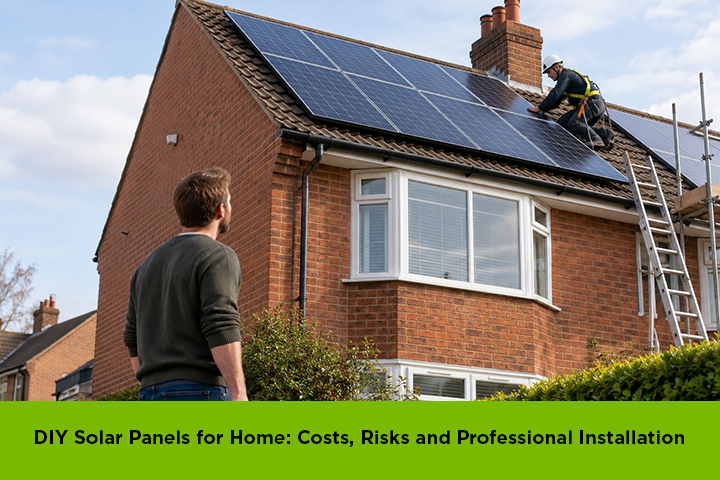
Solar panels on a roof should withstand wind, rain and weather changes. Proper racking allows keeping the panels in place. But solar panel installation can harm your roof tiles or waterproof layer. Poor mounting can lead to leakage and loose panels.
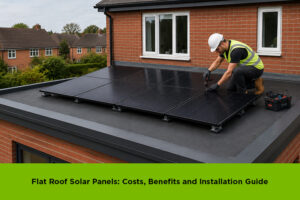
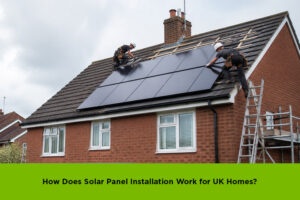
Falling off the roof is another risk. Working on a roof is extremely hazardous, due to roof top conditions of wet roof tiles and unstable ladders. Before planning your rooftop solar, check the state of your roof and its strength. Do not climb on your roof without appropriate training and safety gear.
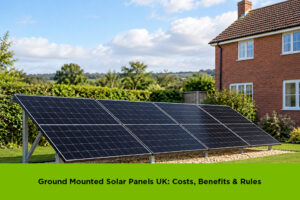
Ground-mounted solar panels can be used in case of a lot of free space outside the house. Ground-mounted panels still require proper mounting and electrical protection. Most British house owners prefer the services of a professional installer. An experienced solar installer will check your roof conditions and select the best mounting equipment.
Learn how solar panels are installed on UK homes before climbing onto your roof.
DIY Solar Panels and Electrical Safety
Solar panels generate electricity in case of sufficient light exposure. Improper wiring can cause electric shock, overheating or fire. Inverter transforms the solar electricity into the electricity which can power household devices.
Installing solar electricity into the electrical system of your home is a specialized job. Wrong connections can result in the damage to your equipment and electrical faults. Never do electrical work that you’re not confident about, always use a qualified electrician. Do not undertake any live electrical work without the proper training.
Off-grid DIY solar system is something else. Such system stores the energy in batteries rather than transfers excess energy to the grid. Grid-connected system requires appropriate protection and consent from the network. Do not assume that your DIY kit automatically meets these requirements.
DIY Solar Installation Permits and UK Regulations
The installation of solar panels is possible in the UK without the presence of a professional. However they are subject to the building and electrical regulations. Many residential rooftop installations are exempt from any planning permission, although this is not the case for listed buildings and conservation areas.
Please consult your local planning authority prior to starting. There are different rules in England, Wales, Scotland and Northern Ireland. Grid connected solar installations typically need to be approved by the Distribution Network Operator. Smaller systems can be eligible for G98 notification after installation.
Large systems usually require G99 approval before grid connection. Please check the appropriate procedure with your network operator. Before buying equipment, read through the electrical certification and eligibility document for a Smart Export Guarantee. Some export tariffs require MCS certification or similar document
DIY Solar Panels vs Professionally Installed Systems
DIY solar can save the labor costs, but increases your responsibilities. You will have to deal with equipment selection, safety, compliance and quality of the installation yourself. Professional solar installation is more expensive in the beginning as it requires specialists. However, it can lessen dangers and make the process smoother.
| Feature | DIY installation | Professional installation |
| Initial labour costs | Usually lower | Included in the quote |
| Technical knowledge | More responsibility | Installer manages system design |
| Safety checks | Must be arranged | Included as agreed |
| Certification | Requires careful checking | Documentation usually provided |
| Workmanship support | Depends on arrangements | May include a workmanship warranty |
| Time required | Often longer | Usually quicker |
A professional installer can evaluate your roof and design your energy system. Professional installer can help with selecting the panels, inverter and battery storage. Professional installation can include testing, certification and help with grid connection. Please check what services are included in your quote.
For many homeowners, hiring a professional installer can give peace of mind. It can also help you to protect your warranties and increase the reliability of the system.
DIY Solar Panel Maintenance and Warranties
Solar panels require minimal maintenance if they are installed properly. Regular checks help to prevent possible issues. You can check the condition of panels from ground level. Please do not climb on the roof to inspect the panels yourself.
Contact a professional installer if you notice some faults or reduction of electricity production. Never fix electrical equipment without qualifications. Always read the warranty conditions prior to purchasing any DIY kit. Certain manufacturers will restrict warranties when installation instructions aren’t followed.
Keep your purchase receipts, product documentation, electrical certificates and inspection reports. These documents can help you to claim warranty and perform further repairs.
Why Choose Eco Energy Packs for Professional Solar Installation?
Eco Energy Packs provides professionally installed solar PV systems for UK homes. Their services include system design, solar panels, inverters and optional battery storage. They offer packages based on various energy consumption requirements and can also offer custom-designed after property assessment.
The panels are installed and connected by professionals, ensuring proper installation. A professional installer can test the system and handle paperwork associated with the grid. Fitting a system can enable you to make greater use of solar energy in your house. Excess electricity generated during the day can be stored in batteries.
Eco Energy Packs provides MCS-certified installation, monitoring and grid connection assistance, including DNO application. If you have any questions about the contents of your quote, please request it in writing. Compare the price, warranties and savings you can expect from different installers before selecting one. Request to be informed about certificate, workmanship warranty & equipment covered.
Ready to explore professional solar? Visit Eco Energy Packs to request a quote for your home.
Final Thoughts
Frequently Asked Questions
Yes, it is possible to install yourself, if you fulfill the relevant requirements. The safety of the roofing, electrical compliance and approval of the grid remain crucial.
It can cost less to do it yourself with solar, but comes with additional responsibilities. Additional equipment, scaffolding, electrical and compliance costs can come into play, increasing total cost.
Installing electrical connections in the home calls for specific knowledge and skills. Don’t do anything that an electrician can do.
You can get a lot of electric power in your house from a system that’s designed properly. The results are dependent on weather, system size, usage and battery storage.
Professional installation provides expert design, safer fitting and support in compliance. It can be suitable for homeowners who are looking for an on-going and stable solar system.